Chinese Flower Meanings
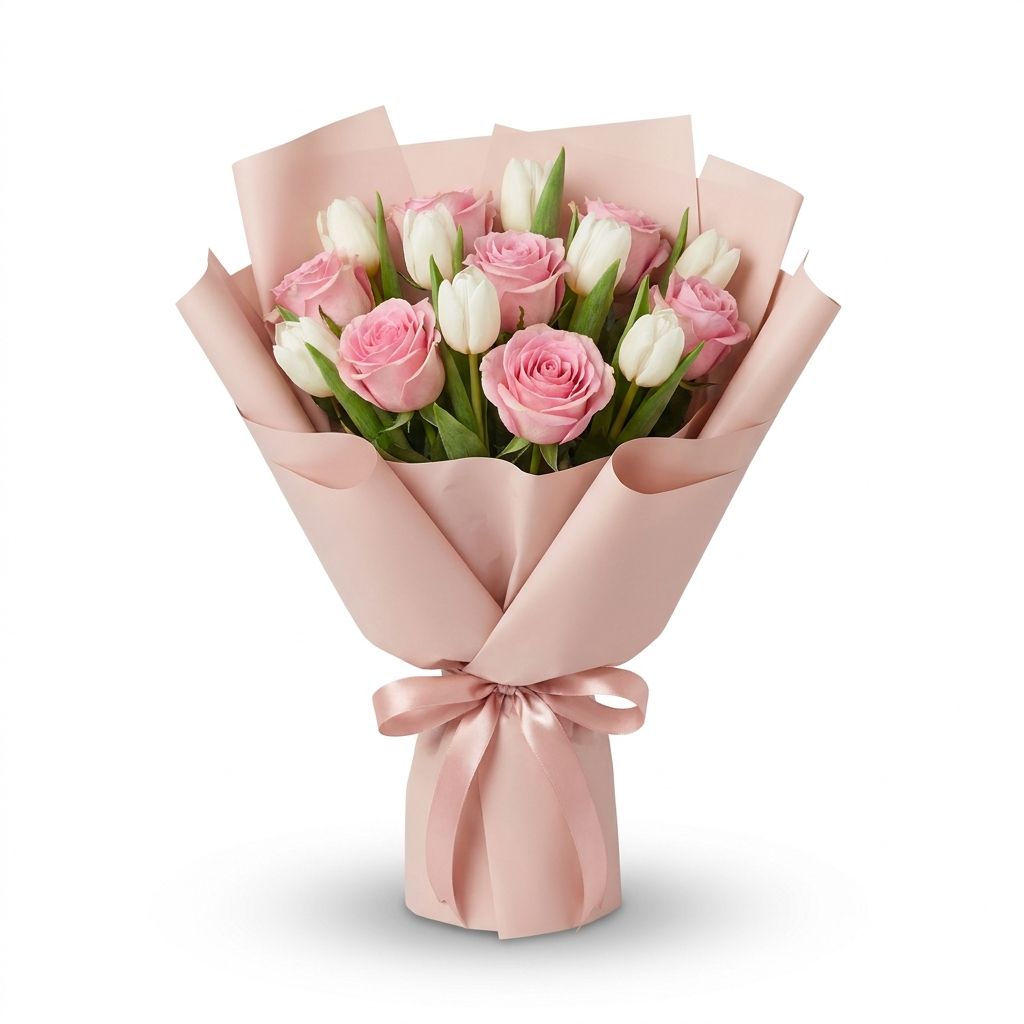
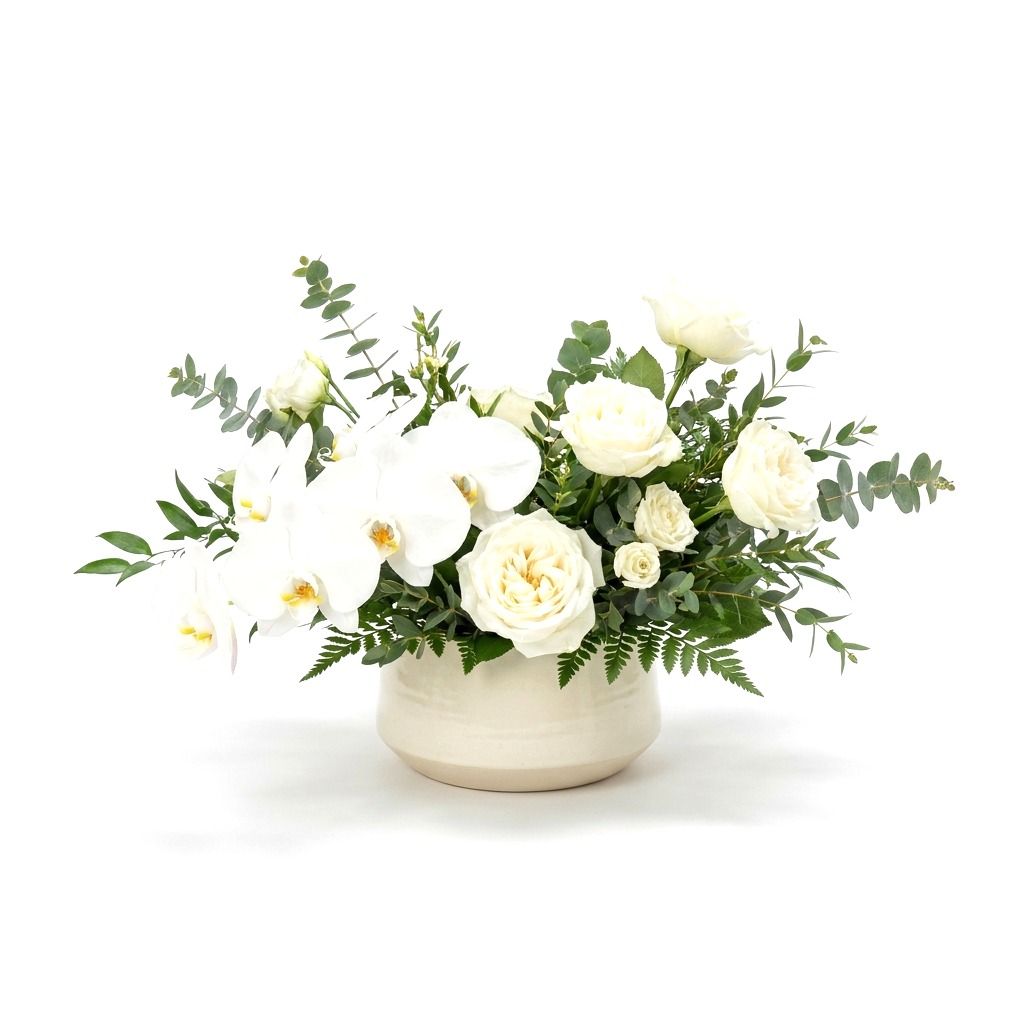
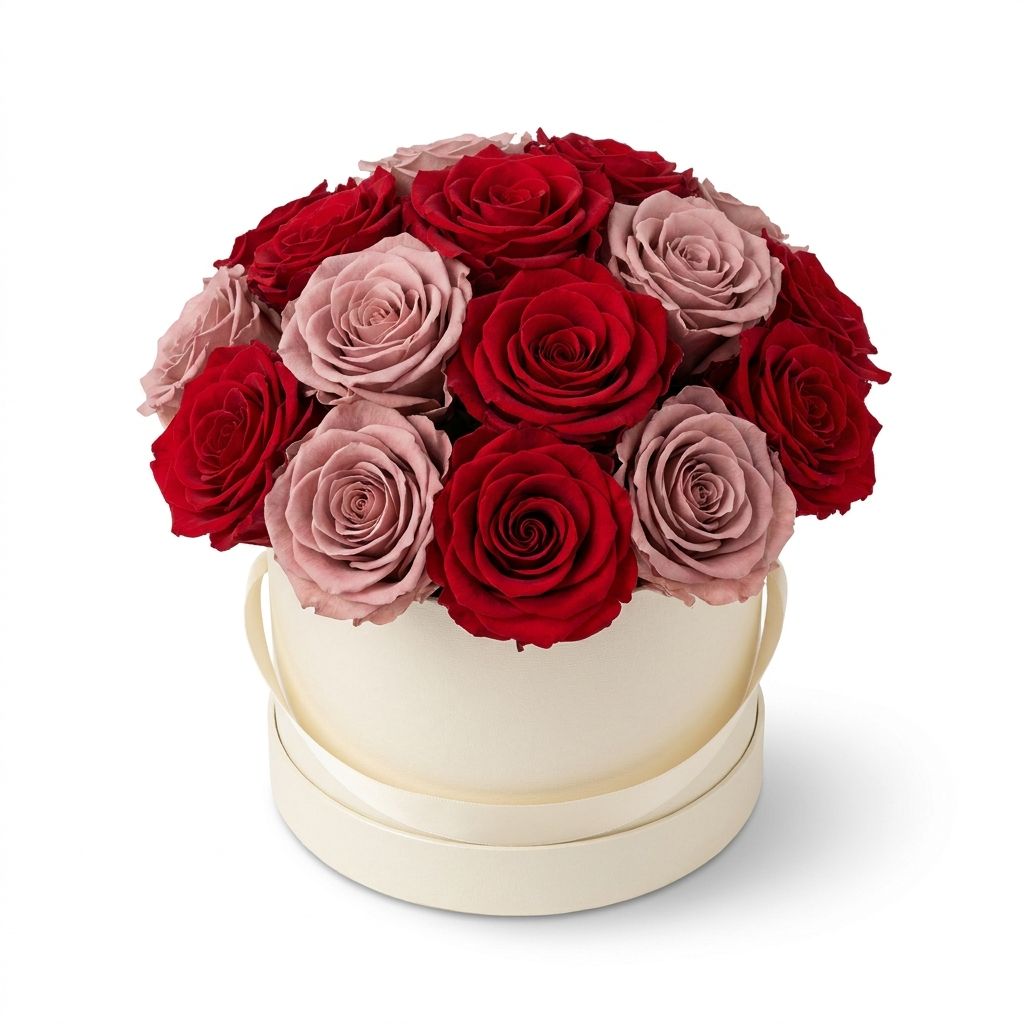
A flower bouquet in Chinese is 花束 (huā shù). In Chinese culture, peonies symbolise wealth and honour, orchids refinement, and red or gold flowers luck and prosperity. All-white arrangements and white or yellow chrysanthemums are associated with funerals, so avoid them for celebrations.
Flower names in Chinese
| English | Chinese | Pinyin |
|---|---|---|
| Flower bouquet | 花束 | huā shù |
| Rose | 玫瑰 | méi gui |
| Lily | 百合 | bǎi hé |
| Orchid | 兰花 | lán huā |
| Peony | 牡丹 | mǔ dān |
| Sunflower | 向日葵 | xiàng rì kuí |
| Chrysanthemum | 菊花 | jú huā |
| Carnation | 康乃馨 | kāng nǎi xīn |
| Plum blossom | 梅花 | méi huā |
| Hydrangea | 绣球花 | xiù qiú huā |
What popular flowers symbolise
- Peony (牡丹): the “king of flowers” — wealth, honour and prosperity. Popular for weddings and business gifts.
- Lily (百合): 百年好合, “a hundred years of harmony”. A traditional wedding flower.
- Orchid (兰花): refinement, integrity and fertility. Elegant for offices and elders.
- Rose (玫瑰): romantic love, as in the West. Red is the most romantic.
- Sunflower (向日葵): positivity and loyalty; popular for graduations.
- Plum blossom (梅花): resilience and hope; associated with Chinese New Year.
- Chrysanthemum (菊花): longevity — but white and yellow chrysanthemums are funeral flowers in Singapore.
Lucky flowers for Chinese New Year
Pussy willow (silver catkins), plum blossoms, orchids, kumquat plants and peonies are popular. Red and gold tones bring luck. Order early: the days before Chinese New Year are among the busiest of the year; see our public holiday delivery guide.
Gifting etiquette
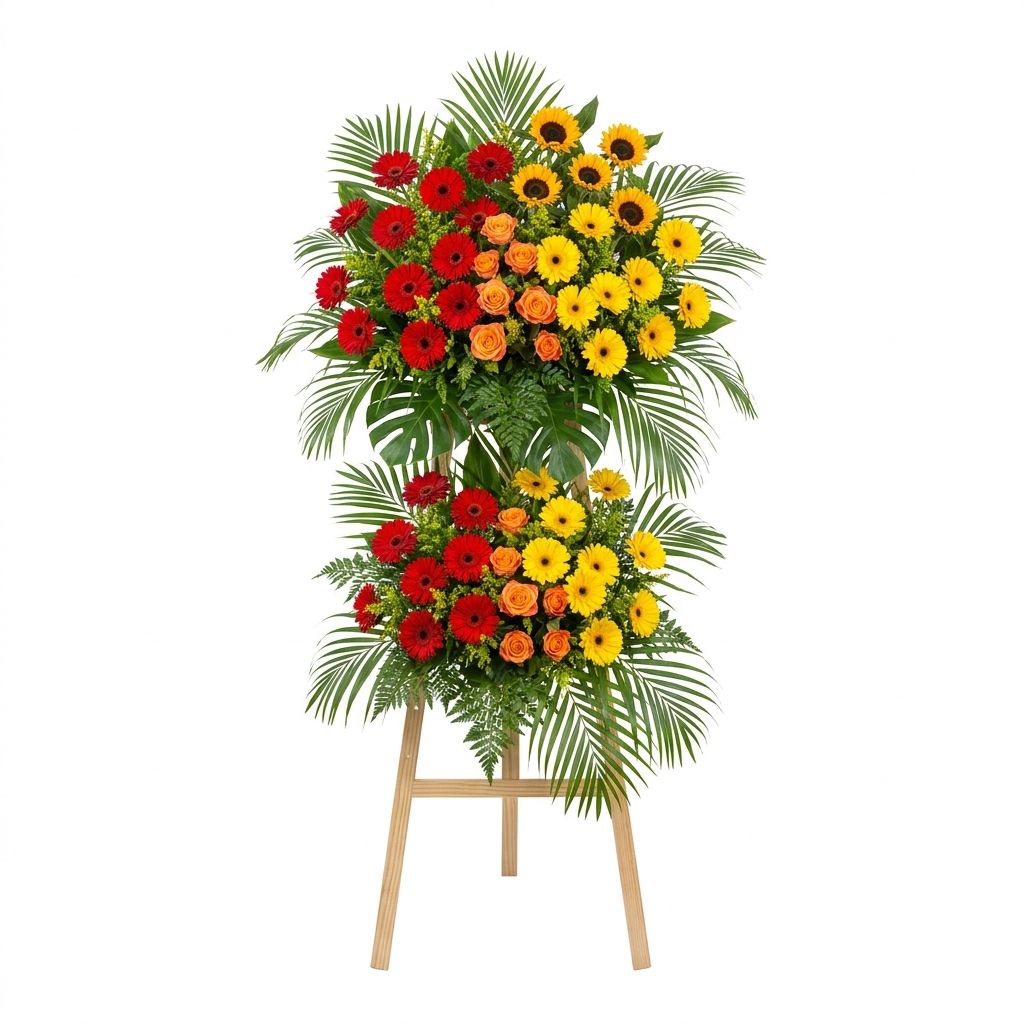
- Celebrations and business: red, orange, yellow and gold — the classic palette for grand opening flowers.
- Avoid for celebrations: all-white designs, white or yellow chrysanthemums, and sets of four.
- Hospital visits: bright colours rather than white; see get well flowers.
- Numbers: 8 sounds like prosperity (发), 9 like longevity (久), and 99 roses mean “forever”.